
Some cities dazzle. Others deepen. Tacloban City does a bit of both—but not with glitter or skyline theatrics. It leans in with quiet resilience and the kind of strength that doesn’t ask for applause.
On the northeastern tip of Leyte, this coastal capital might not be the first stop on your island-hopping wishlist—but maybe it should be. Tacloban is more than a city that survived a storm; it’s a place that has long been a stage for Philippine history. Once a small fishing village under Spanish rule, it later flourished as a major trading port due to its strategic location along Cancabato Bay. In 1944, Tacloban became the temporary capital of the Philippines during World War II after General Douglas MacArthur’s famous return. It was from here that the Commonwealth government was reestablished.
Today, Tacloban reflects the deep-rooted Waray-Waray culture—proud, poetic, and powerfully resilient. Warays are known for their fierce loyalty, straightforward wit, and deep Catholic faith, traits that remain woven into the city’s everyday life. Whether through the rhythm of their language, the vibrance of their festivals, or the stories etched in every landmark, Tacloban doesn’t offer distraction—it offers depth.
Most of the world first heard of Tacloban after one of the deadliest typhoons in modern history—Typhoon Yolanda (Haiyan) in 2013. In just hours, thousands of lives were lost, communities flattened, and the city submerged in grief. But the stories the headlines didn’t tell were the ones that came after.
Tacloban didn’t just recover—it redefined resilience.
And you feel it as soon as you arrive.
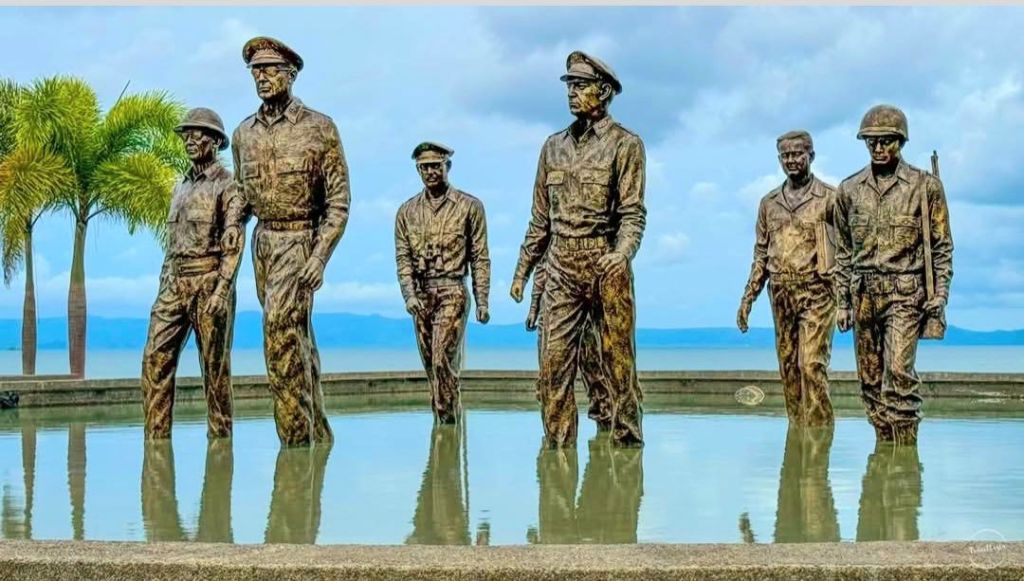
MacArthur Leyte Landing Memorial National Park
More Than Just a City with a Past
Walk through MacArthur Leyte Landing Memorial National Park in nearby Palo, where larger-than-life bronze statues immortalize that famous WWII moment: “I shall return.” And he did. On October 20, 1944, General Douglas MacArthur landed with Allied forces on Red Beach, marking the beginning of the Philippines’ liberation from Japanese occupation. The solemn stillness of the water behind those statues feels like a whisper of history still echoing today.
San Juanico Bridge
Let’s Not Forget the The San Juanico Bridge—once the Beyoncé of Philippine bridges (read: longest, most talked about, and photogenic)—still stretches an elegant 2.16 kilometers, connecting Leyte and Samar like two best friends holding hands across the water. While it’s now the third longest bridge over seawater (thanks to the Cebu–Cordova Link Expressway at 8.9 km and the newly completed Panguil Bay Bridge), it hasn’t lost its charm or bragging rights.
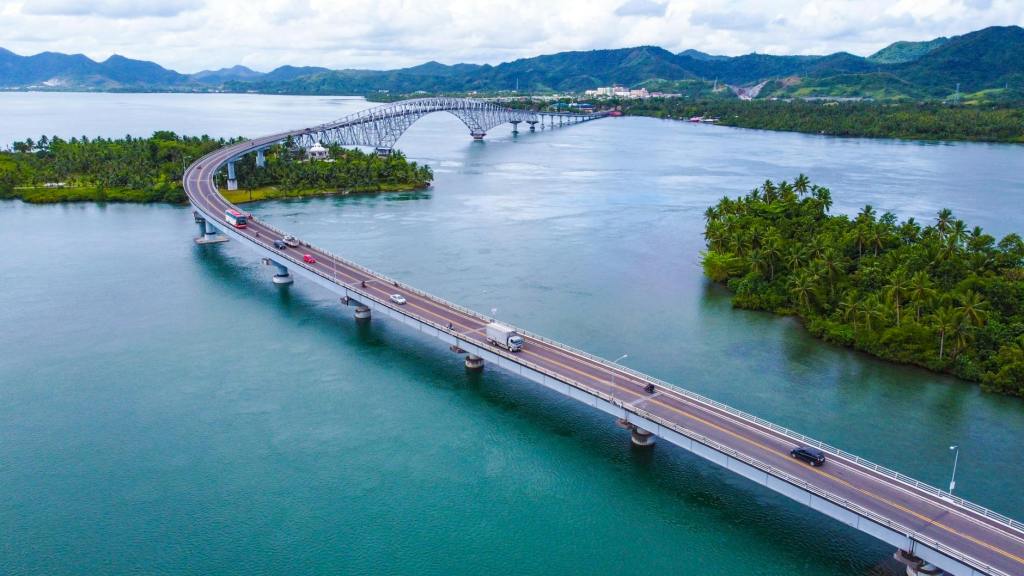
As of 2025, the bridge is undergoing approximately ₱900 million glow-up. Structural assessments called for a bit of a time-out from heavy vehicles, so now only light ones are allowed. Think of it as the bridge being put on a light diet—no trucks for now, just cars and motorbikes, please. The rehabilitation aims to improve safety and extend its life, because even icons need a little self-care and scaffolding from time to time. It may be under rehab, but it’s still standing proud—because legends never retire, they just get repainted.
Sto. Niño Church (Tacloban Cathedral)
Officially known as the Metropolitan Cathedral of Our Lord’s Transfiguration, this historic church is more lovingly called the Sto. Niño Church by locals. Originally built in the late 18th century by Jesuit missionaries, it has stood through wars, earthquakes, typhoons—including the devastating Super Typhoon Yolanda in 2013—and quietly endures as the oldest Roman Catholic church in Eastern Visayas. Its weathered walls have heard the whispered prayers of generations, and its baroque façade, restored with care, still greets visitors with quiet grace.
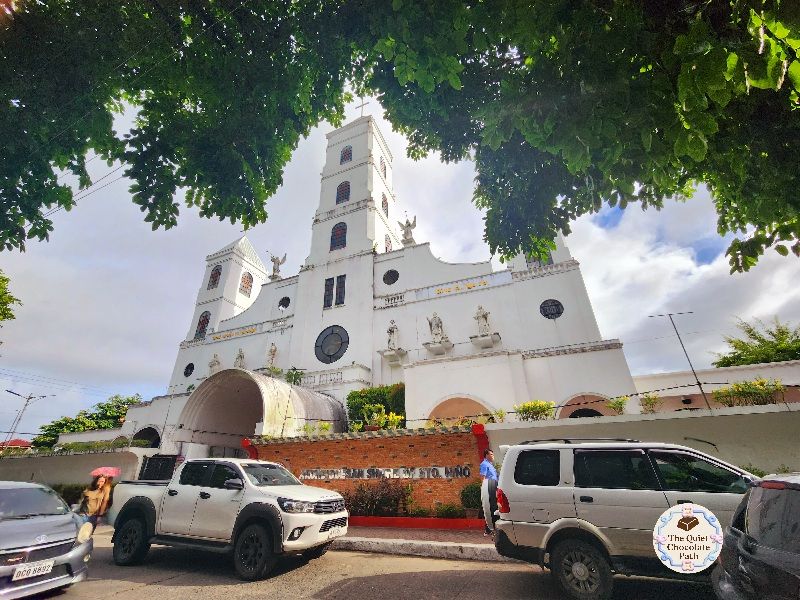
Despite its trials, the cathedral remains the spiritual heart of Tacloban City—a place where faith feels grounded, not grandiose. Locals drop by to light candles or simply breathe. For travelers, it offers not just shelter from the heat or rain, but a pause from the noise, a place to reflect or just sit in silence—proof that even in the busiest cities, stillness finds a way.
Sto. Niño Shrine and Heritage Museum
There’s also Sto. Niño Shrine and Heritage Museum, a mansion once owned by Imelda Marcos, now frozen in time. Crystal chandeliers, grandiose rooms, a curated kind of opulence… all hiding stories you can almost hear rustling behind the curtains.
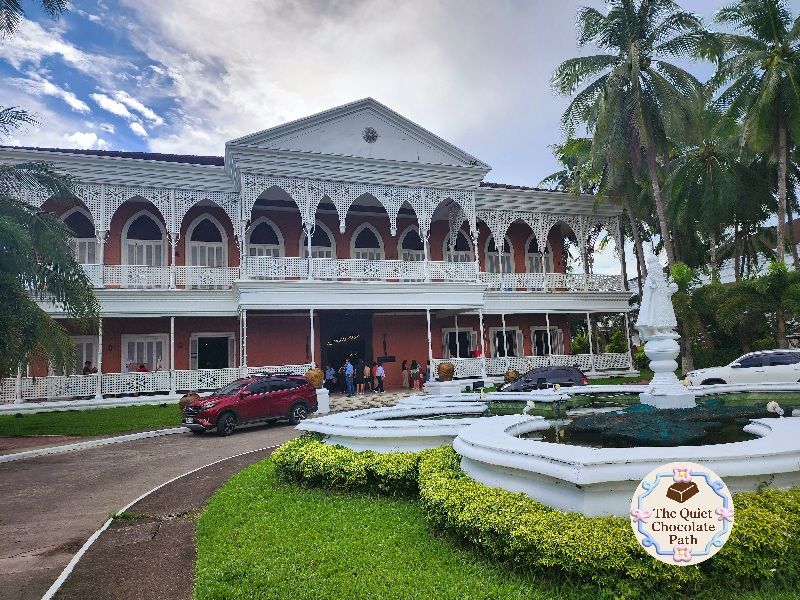
But on my recent visit, the awe was mingled with a hint of sadness. Once a lavish showcase of power and extravagance, the shrine now shows signs of neglect. It’s currently managed by a group of NGOs, and while the structure still stands proudly, its interiors whisper tales of fading glory. The once-sparkling halls feel dusty, and the grandeur slightly dulled by time and wear. Entrance fee is ₱150 per person—but you might find yourself paying more in nostalgia than in pesos, especially if you remember what it used to be.
There are several other attractions that are probably worth exploring, although I haven’t had the chance to visit them yet.
Price Mansion
Inside the city, Price Mansion quietly stands as MacArthur’s former headquarters—bullet holes on its walls still intact, like small reminders that peace is never handed, only hard-earned.
Yolanda Memorial at Anibong
An imposing cargo ship that crashed into the shore during Typhoon Yolanda now stands as a painted tribute to lives lost and lessons remembered. The ship, eerily beautiful, is a symbol of survival.
Madonna of Japan Peace Park
This serene garden marks a chapter of reconciliation after WWII. It’s a lesser-known spot for quiet reflection and a powerful visual of international healing.
Leyte Provincial Capitol
A proud neoclassical building that once housed General MacArthur during the liberation of the Philippines. Walk its halls and feel the weight of its wartime legacy.
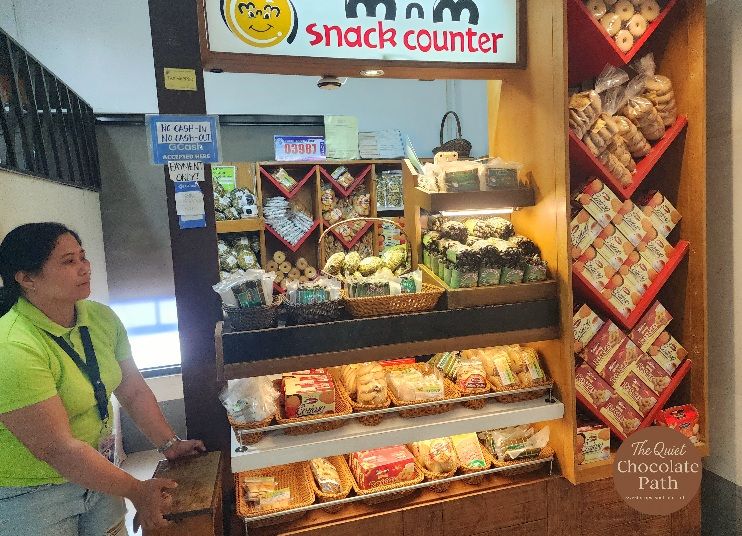
The Soul is in the Streets—and the Snacks
But let’s talk about what truly makes you fall in love with Tacloban: the food that feels like family.
Start with morón—a delicately sweet, chocolate-infused sticky rice treat wrapped in banana leaves. It looks humble but bites back with buttery richness. Then there’s suman latik, glutinous rice bathed in creamy coconut syrup, best enjoyed while people-watching from a karinderya. Don’t skip roscas, either. These crescent-shaped, crunchy cookies are buttery, nutty, and dangerously addictive—like shortbread with regional flair.
And of course, binagol—a sweet, chewy mix of taro, coconut milk, and brown sugar steamed inside coconut shells. The kind of dessert that sticks to your teeth and your heart.
Pintados and the Art of Remembering

If you time your visit right, catch the Pintados Festival, held every June. It’s a vibrant explosion of colors and tribal patterns honoring the ancient tattooed warriors (“pintados”) of Leyte and Samar. The festival blends Christian and pre-colonial traditions in a dizzying, deeply meaningful dance of survival and celebration. It’s loud, raw, and alive—the kind of energy you don’t just see, but feel in your spine.
Where to Stay:
Whether you’re in Tacloban for a quick visit or a deep dive into its rich culture and history, finding the right place to stay can truly shape your experience. The city offers a diverse range of accommodations to suit every kind of traveler. While there are plenty of options, I’ll highlight just a few that stand out for their charm, convenience, or local flair.
- Summit Hotel Tacloban – Stylish, modern, and attached to Robinsons Place mall. You can get a haircut, bubble tea, and a hoodie in one hallway trip.
- Hotel XYZ – Arguably the most Instagrammable of the bunch. A splash of modern art, rooftop views, and a surprisingly great spa. Feels like Manila in the provinces, but with more soul.
- Go Hotels Tacloban – Clean, affordable, and functional. Go Hotels, for instance, boasts one of the best locations in the city—perfect for those who want quick access to malls, restaurants, and transport hubs. However, some rooms can be a bit hit or miss, with occasional issues like a finicky air conditioner or a shower head that could use some maintenance. Still, for its accessibility and overall comfort, it remains a popular choice. Great for travelers who prefer to spend more on food than fluffy pillows.
- If you’re in the mood to splurge a little—or you just feel like pretending you’re in a telenovela with better lighting—The Tropics at MacArthur Park ( formerly The Oriental Hotel in Palo) is a great choice. It’s a bit of a detour from the city center, but it’s conveniently near the historic MacArthur Landing Memorial Park, so it balances luxury with legacy.

I’m extra grateful some family members treated us to an à la carte meal at Flavors, their in-house restaurant. We dined like local royalty and took the obligatory “we-were-here” photos under elegant lighting.
🍽️ Forks, Flavors, and Family Favorites
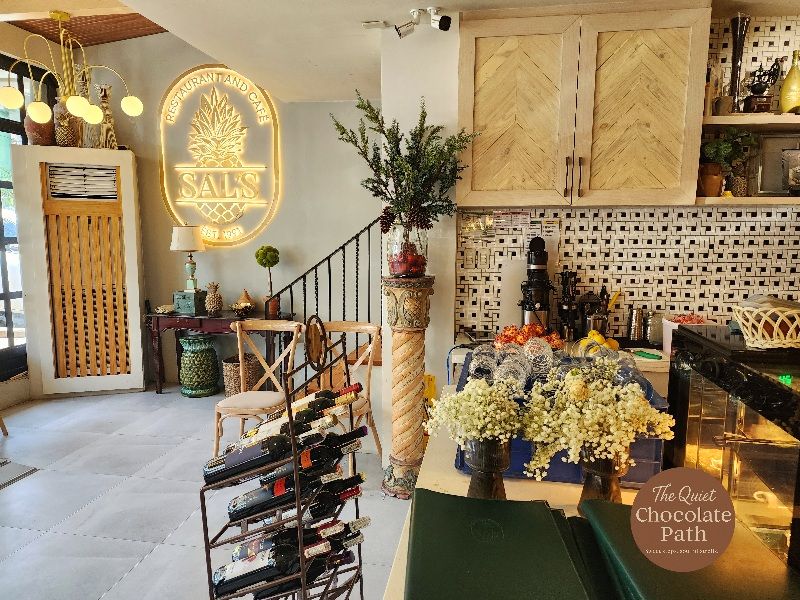
Tacloban has no shortage of places to eat—whether you’re after a quick bite, a cozy café, or a full-on feast, the city’s food scene is bursting with variety. From local staples to hidden gems, there’s always something new to try. But for us, we’ll just mention a few of our go-to spots whenever we’re in the city—places that feel like second homes to our taste buds.
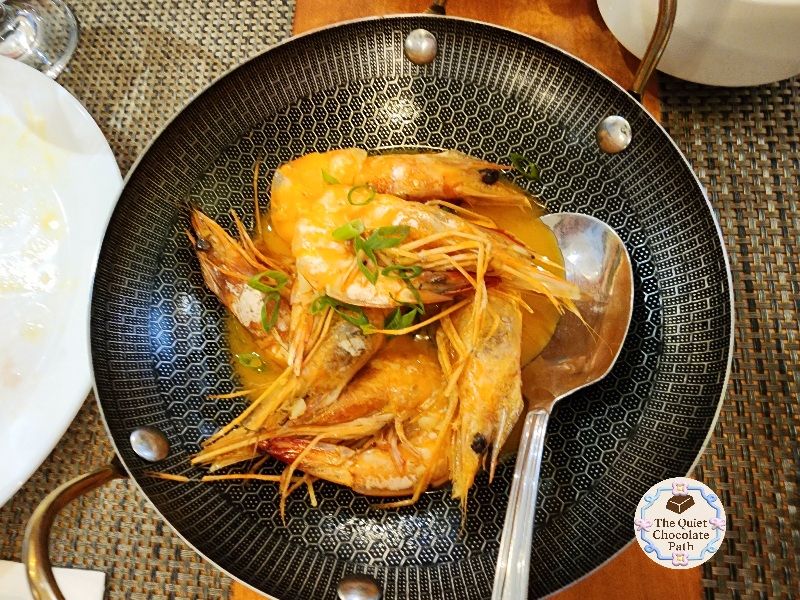
- Now if you’re staying longer and want your go-to places lined up, our staples never fail: Sal’s and Ginger Wok—our version of comfort food wrapped in nostalgia. Whether you’re craving warm tinola soups, rice bowls, or that reliable “lutong-bahay” feel, these places deliver.
- Our newest discovery? Plum Roast. It gives off a bit of Hawker Chan energy—think roasted meats, rice combos, flavor-packed dishes that don’t drain your wallet. It’s the kind of place where you go in hungry and leave asking, “Why didn’t we find this sooner?” Just a heads-up though: it’s almost always packed, and the space is a bit tight—so come early or bring a little patience. The food’s worth the wait.
- There are also a few spots we haven’t tried yet but are definitely on our radar. Kyle’s Grill and Restaurant looks like a solid pick for grilled favorites and chill vibes. K Patisserie has been popping up on my feed with its charming desserts and café-style ambiance—perfect for a slow afternoon. And Fahrenheit Food Center seems like a classic, with a loyal following and a menu that spans from Filipino comfort food to fast bites. We’ve also heard good things about Samsam Bistro and Calle Z Café—both seem to have that cozy, local feel we love. Hopefully, we get to check them out when we visit Tacloban!
So, What Does a City Like This Teach You?
It teaches that quiet places often hold the loudest truths.
Tacloban doesn’t try to impress—it simply shows up. With food that hugs you, stories that humble you, and people who somehow smile wider after surviving the storm.
It’s not the kind of destination you brag about. It’s the kind you carry with you.
Practical Takeaway:
Stay at least two nights. Visit the memorials, try the kakanin, Visit the San Juanico Bridge, and talk to someone who lived through the storm. Listen. Don’t just sightsee—soul-see. And pack an umbrella. Just in case the city decides to cry a little again.
What to Feel in Tacloban: Beyond the Itinerary
This city is as emotional as it is experiential. Tacloban’s heartbeat lies in the spirit of its people and the cultural values they fiercely protect.
A City That Rose Again
Tacloban was the ground zero of Super Typhoon Yolanda (Haiyan) in 2013, one of the strongest tropical cyclones ever recorded. According to UN OCHA, it claimed over 6,300 lives in the Philippines alone. Today, Tacloban stands rebuilt—not just in buildings, but in spirit.
Waray-Waray Humor and Strength
Locals are known for their straight talk and humor. Common sayings like “Bisan ginbabaha, nagkakanta la gihapon” (Even in floods, we still sing) speak volumes of their unyielding optimism.
Faith and Community
April marks the spiritual buildup to June’s Santo Niño Fiesta, one of the city’s grandest celebrations. Religion is not just practiced here—it’s lived. Rosaries hang from jeepney mirrors, and impromptu prayers echo through streets after sunset.
Practical Travel Tips
- Weather: Expect hot and humid weather with sudden rain showers. Pack light, bring sunscreen, and carry an umbrella.
- Language: Waray-Waray is widely spoken; English and Filipino are commonly used.
- Transportation: Jeepneys and tricycles are abundant. For convenience, private cars or guided tours are recommended for side trips.
- Safety: Generally safe, but bottled water is advised. Practice regular travel precautions.
- Responsible Tourism: Respect memorial sites, minimize plastic use, and support local businesses.
A City That Remembers, A City That Rises
Tacloban City isn’t just a place on the map—it’s a living testament to resilience, culture, and quiet strength. From the echoes of Kankabatok’s early settlers to the vibrant rhythm of the Pintados and Sangyaw Festivals, Tacloban has always been a city that carries its past with pride while embracing the future with open arms. Walking through its streets, you feel the pulse of a community that has weathered storms—both literal and historical—and emerged with a deeper sense of identity. The San Juanico Bridge may connect Leyte and Samar, but Tacloban connects generations, stories, and dreams.
Tacloban offers more than just heritage sites and scenic views—it offers perspective. It teaches us that beauty isn’t always loud, and progress doesn’t always roar. Sometimes, it’s in the quiet rebuilding after the storm, in the patient restoration of memories, in the whispered padayon—“continue”—that Warays carry on their tongues and in their hearts.
Tacloban doesn’t just invite you to visit—it invites you to witness. To listen. To feel. And maybe, to take a piece of that gentle, enduring strength with you wherever you go.
Thank you for walking with me through The Quiet Chocolate Path. Stories like these are why I write—and why you’re here. Not for the perfect itinerary. But for the grace in the journey.

 The Quiet Chocolate Path