
After a few fast-paced days in Shanghai, we started craving a change of scenery. We weren’t sure what to expect, but we knew we wanted quiet alleyways, slower moments, and something that felt a little more real. What we found was a peaceful contrast to the city—filled with old-world charm, gardens, and history that still feels alive.
🚆 Getting There and First Impressions
By day three, we needed a break from Shanghai’s buzz. Suzhou was the obvious choice—close by and known for its historic neighborhoods, canals, and classical gardens. The fast train took less than an hour, and the shift in pace was immediate. One day here gave us calm, culture, and a quiet look into a different side of China.
🏡 1. Master of the Nets Garden
Small, Detailed, and Easy to Explore
Our first stop in Suzhou was the Master of the Nets Garden, a small but beautifully planned garden in the city’s old town. It’s one of the Classical Gardens of Suzhou, which are listed as a UNESCO World Heritage Site. Even though it’s the smallest, many people say it’s one of the smartest in design. We spent just under an hour walking through it.
The garden was first built during the Song Dynasty (around the 12th century) and later restored during the Qing Dynasty in the 1700s. It’s only about 5,400 to 6,600 square meters in size, but it feels much bigger because of how everything is arranged.
The garden has three main parts:
A smaller inner garden that’s quieter and more private
A residential area where scholars and retired officials once lived
A main garden with a large pond, pavilions, and walkways
Includes key features like the “Barrier of Clouds” wall, “Moon and Wind Pavilion,” “Peony Study,” and narrow bridges over the central pond.
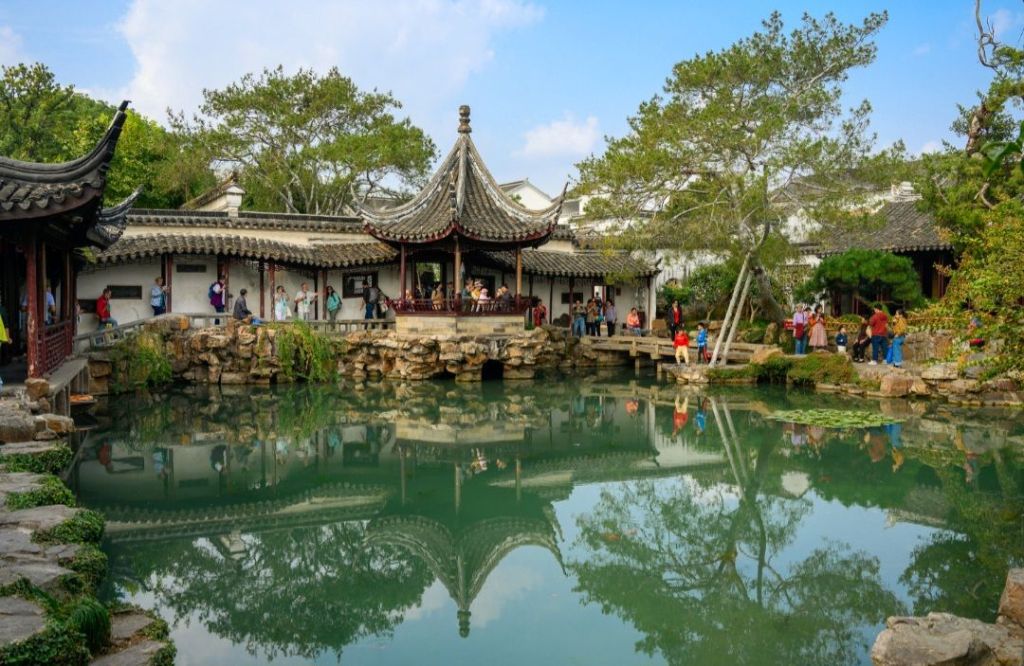
What makes this garden special is how it uses doorways, windows, and paths to show different views. As you walk around, you’ll see ponds, rocks, plants, and buildings from many angles. It’s a clever way to make a small space feel large and peaceful.
Its influence even reached abroad: the Peony Hall courtyard inspired exhibit spaces at the Metropolitan Museum of Art in New York.
We didn’t see one, but sometimes there are evening performances of Kunqu opera held here. If you’re interested in traditional Chinese music and theater, it could be something fun to check out.
💡 Travel Tips
Entry: typically 30 RMB (off-peak) to 40 RMB (high season)
Hours: usually 7:30 AM–5:30 PM in summer and 7:30 AM–5:00 PM in winter .
Best times: arrive early or near close to enjoy soft light, minimal crowds, and sectional performances.
🌿 2. Humble Administrator’s Garden
Next, we made our way to the Humble Administrator’s Garden, and it absolutely lived up to the hype. This is the largest classical garden in Suzhou, covering over 5 hectares, and it’s also a UNESCO World Heritage Site—part of the “Classical Gardens of Suzhou” designation since 1997.
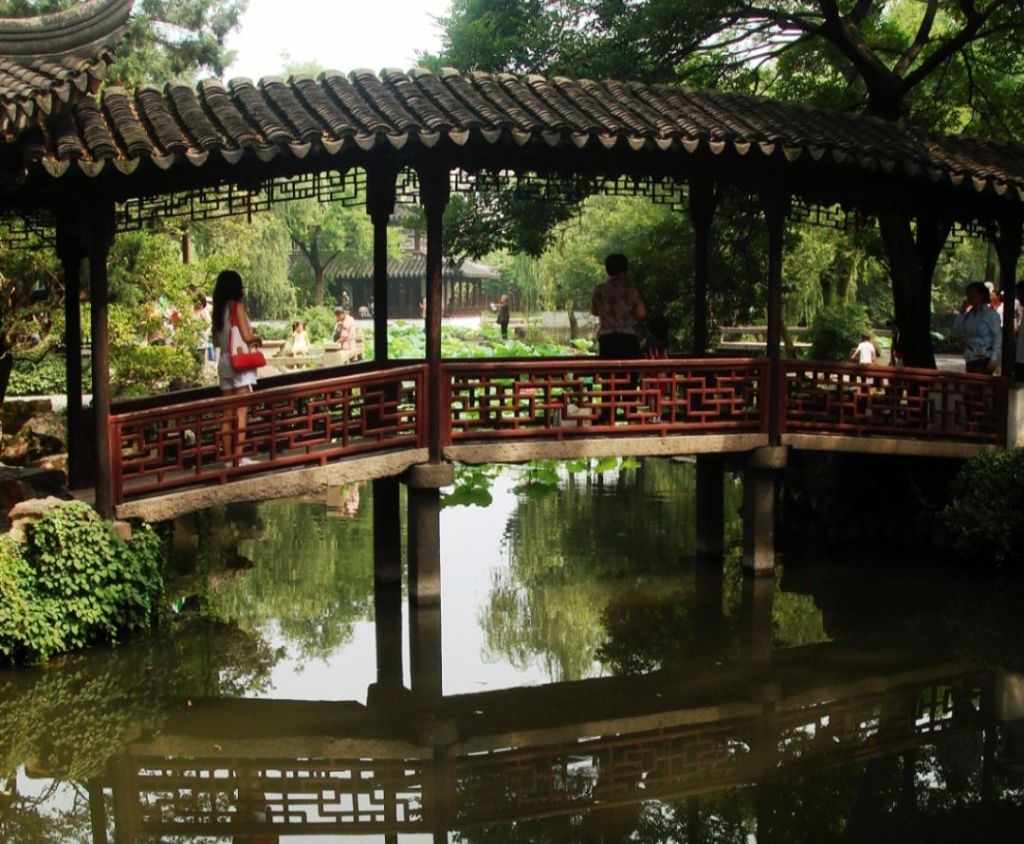
Built in 1509 during the Ming Dynasty, the garden is split into three main sections: East, Central, and West. Each area has its own layout and feel, but they all feature ponds, pavilions, bridges, bonsai trees, and peaceful walking paths. We spent about two hours here and could’ve easily stayed longer.
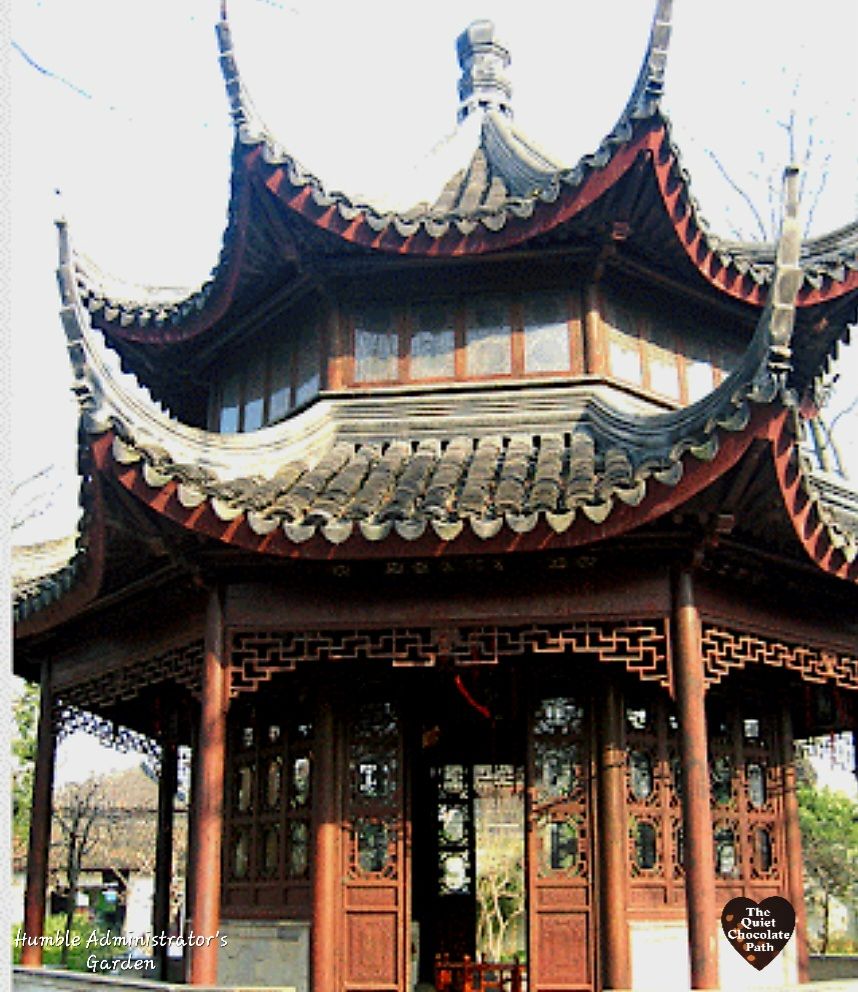
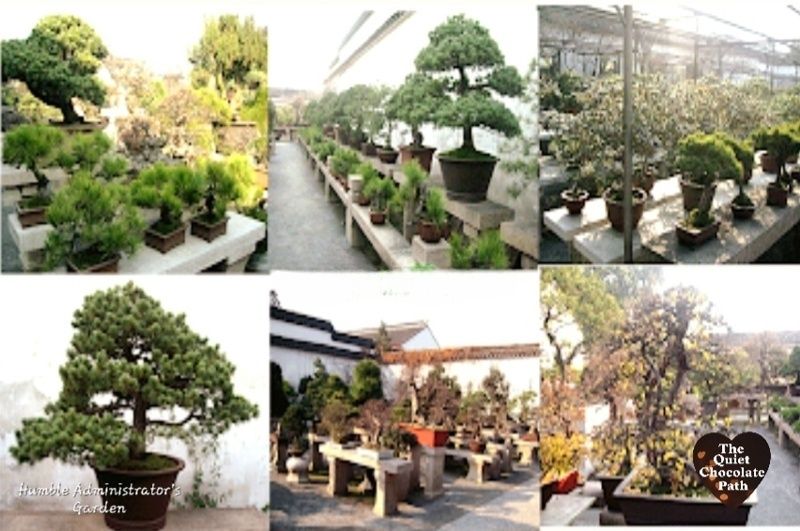
The Central Garden is the most scenic, with water features and curved bridges that look like they belong in a painting. The Western section has a small museum and a bonsai garden with hundreds of miniature trees—some shaped over decades.
You can also rent a hanfu (traditional Chinese outfit) nearby if you’re into photography.
Highlights:
- Water covers roughly one-third of the area, creating winding pools, islets, and reflective walkways .
- The central zone features the iconic Distant Fragrance Hall positioned for wide water views.
- The western section includes decorative halls like the Mandarin Duck Hall and unique pavilions overlooking water.
- Museum: Adjacent to the garden is the Suzhou Garden Museum, China’s first, showcasing garden design history and traditional techniques.
- Visitor Info: Typical visit lasts 2–3 hours; tickets range from ¥70–90, varying by season. Open daily from 7:30 AM—closing between 5 PM and 5:30 PM
Pro Tip: If you only have time for one place in Suzhou, make it this one. Go early in the morning or late in the afternoon to avoid heavy crowds.
🔔 3. Hanshan Temple
A Bell That Brings Luck and Peace
Hanshan Temple is one of the oldest and most famous temples in Suzhou, first built in the 6th century. It’s known for being featured in the poem A Night Mooring by Maple Bridge from the Tang Dynasty, a piece every literature class in China knows.
Stone tablets inscribed with Zhang Ji’s poem line the corridor and courtyard, symbolizing the temple’s deep connection to literary and spiritual tradition.
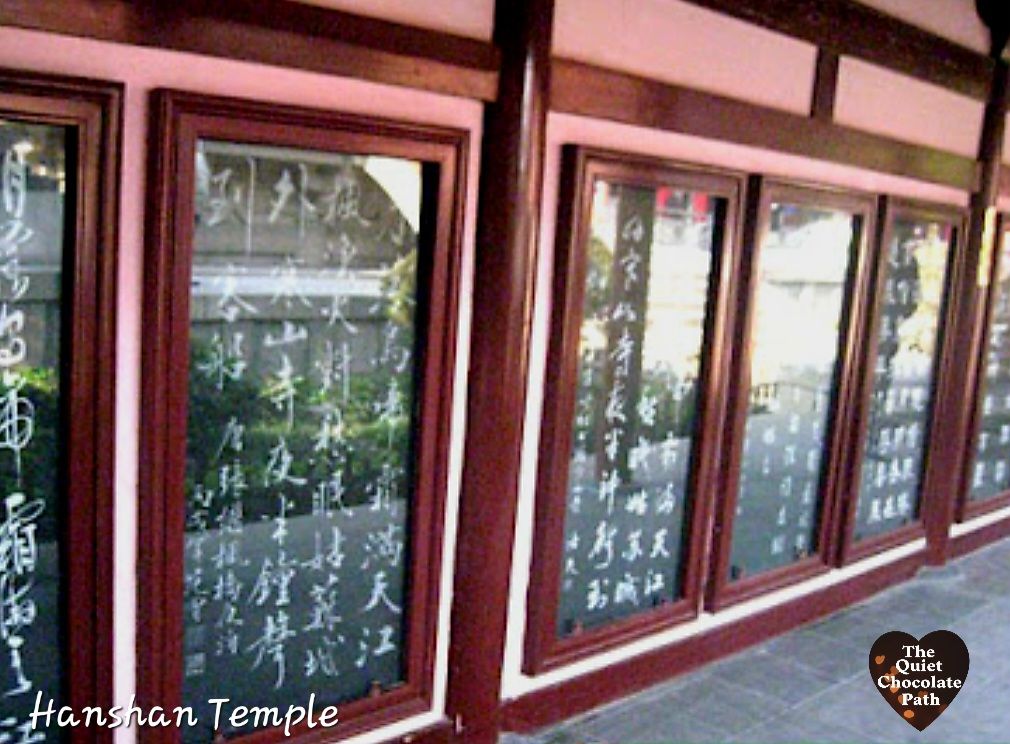
We paid 20 RMB to enter and walked around the temple grounds, including the Great Buddha Hall and a stone tablet with the poem engraved on it. The temple is calm, simple, and deeply meaningful for locals.
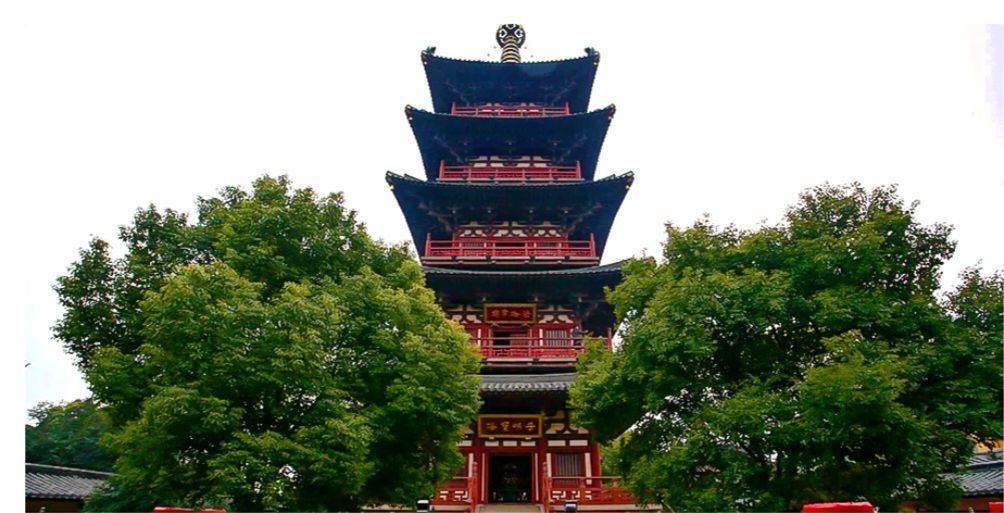
A standout feature is the Puming Pagoda, a five-story structure built in 1995, about 42 meters tall, which now serves as a symbolic landmark of the temple. Despite being modern, it blends with the classical style and offers a striking backdrop to the temple complex.
The most important time to visit is on Lunar New Year’s Eve, when people ring the giant bronze bell 108 times at midnight. Each ring symbolizes letting go of a life burden or trouble, and it draws crowds from all over China.
New Year Visit Tips:
- Arrive early in the afternoon to get a spot before the ceremony starts
- Dress warmly—it gets cold, and there’s a lot of waiting outside
- Watch out for pickpockets in crowded areas
- Prefer fewer people? Visit a few days after New Year’s Day—the festive vibe still lingers without the long lines
Why It Matters for Travelers
Location: About 5 km west of Suzhou’s old city, bordering the Grand Canal—perfect for combining with a scenic stroll.
Visit Duration: Typically 1–2 hours to explore the main hall, pagoda, and bell tower.
Don’t miss: Climb the Puming Pagoda for sweeping views, ring the bell (for good luck), and seek out the engraved poem tablets along the corridor.
🚶♀️ 4. Grand Canal
A Living History Walk
We didn’t take a boat ride, but we walked alongside the Grand Canal, and that was more than enough. This waterway has been around for over 1,400 years and was once the main trade route linking Beijing and Hangzhou.

Even now, the canal runs through daily life in Suzhou. Locals were biking, chatting, and having tea near the water. We walked across stone bridges and watched lanterns swaying in the breeze. Some parts feel like nothing has changed in centuries.
The Suzhou section of the Grand Canal is also listed as part of the UNESCO World Heritage—a reminder of how important this waterway has been for China’s growth.
🛺 5. Ride a Cycle Rickshaw
A Slower Way to Explore the Old Town
To rest our legs, we hopped on a cycle rickshaw near Pingjiang Road. It cost about 10 RMB for a 15–20 minute ride and was a fun way to move through Suzhou’s older neighborhoods.
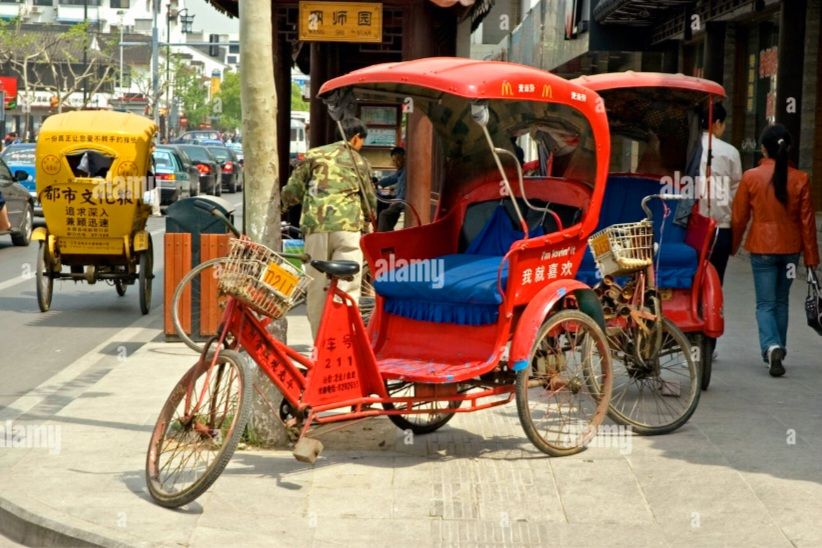
These rickshaws are not only practical—they’ve been part of city life in Suzhou for decades. The narrow streets here make it hard for cars to get through, but rickshaws can move with ease. We passed by tea shops, stone benches with elders chatting, and little courtyards hidden between homes.
They’re also handy if you’re short on time or can’t walk long distances.
Pro Tip: Always agree on the fare before your ride. Show your destination on a map if needed, as most drivers don’t speak much English.
🎎 Quick Tips Before You Go
- Language basics: Saying nǐ hǎo (hello) and xiè xiè (thank you) goes a long way
- Try the tea: Suzhou is famous for Biluochun, a light and fragrant green tea
- Temple manners: Wear modest clothing and avoid flash photography inside
- Garden etiquette: Keep your voice down and stay on the paths
- Best area to stay: Gusu District puts you close to all the good stuff
✍️ Final Thoughts
Our day in Suzhou showed us a side of China that’s easy to miss—quiet gardens, real traditions, and history you can walk through. If we had more time, we’d stay longer. But even just one day gave us a new perspective.
We didn’t just look at pretty places. We felt what makes Suzhou special—its slow pace, its attention to detail, and its pride in keeping the old ways alive.
It’s not just a great side trip from Shanghai.
It’s a place worth exploring on its own.
Disclaimer:
This travel blog is based on a personal visit to Suzhou, China. While the experience described reflects an earlier trip, all cultural notes and historical references have been reviewed and updated to ensure the most accurate information available at the time of publication. Entry fees, opening hours, and local customs may change over time, so it’s always a good idea to check directly with official sources or local providers before planning a visit. This post aims to offer a helpful and engaging snapshot of Suzhou that remains relevant for today’s travelers.

 The Quiet Chocolate Path