
I know it’s been a while since my last post—life got unexpectedly busy. But I’ve carved out a little time and figured I’d pop in with something I’ve been meaning to share.
What it’s really like to explore Shanghai’s ’s most dynamic city from the riverbanks to the subway crush.
Among all the cities we’ve explored in China, Shanghai felt the most comfortable—modern, convenient, and a great base for exploring other destinations. We’ve been there quite a few times, and for some reason, it became our go-to city for New Year getaways. Maybe it’s the contrast of old and new, the buzz in the air, or just how easy it is to get around and enjoy the city without much hassle. Whatever the reason, each trip has left us with great memories
The Heart of the City – The Bund
Our first stop was always The Bund. It’s not just a scenic riverwalk—it’s Shanghai’s soul. Standing there, you feel like you’re caught between two worlds: the classic European-style architecture of the west bank facing off with the futuristic skyline of Pudong on the east. It’s where Shanghai flaunts its past and future in one frame.

Day or night, this place is always alive. Locals are out walking, couples are striking poses, and tourists are everywhere—snapping way too many photos, especially as the crowds get bigger at night.
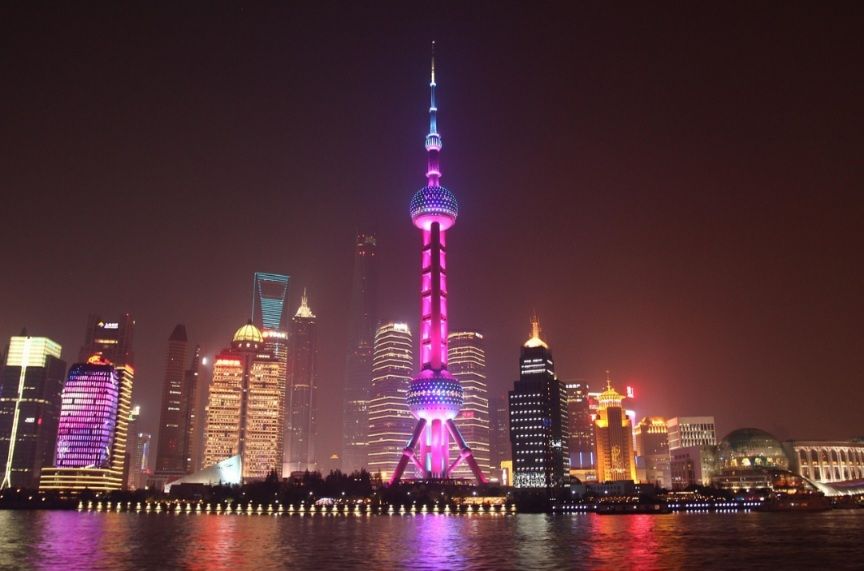
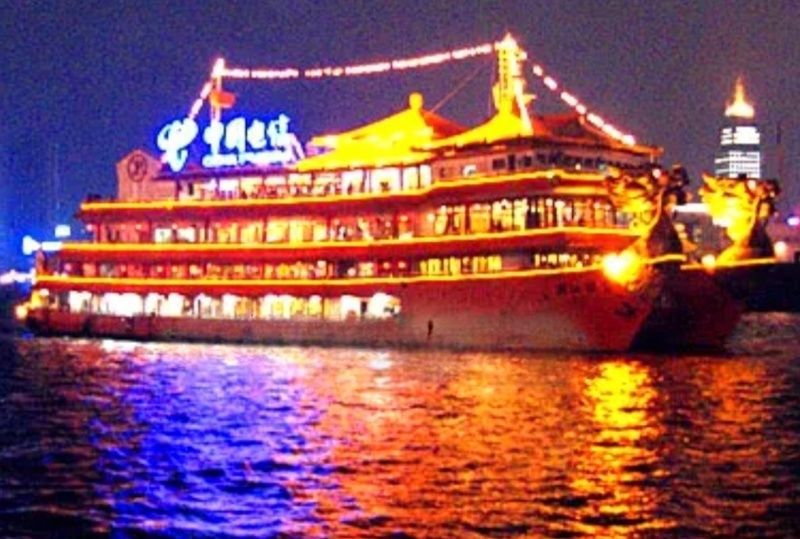
It’s also the launch point for the Huangpu River Cruise, which we tried on one crisp evening. The ship set off with a blast of its horn, and as we glided north, we watched the city lights reflect off the water. There were firework displays along the way that added an almost surreal beauty to the already magical skyline.
📌 Why The Bund Matters in Shanghai History:
- Once the heart of the Shanghai International Settlement (mid-1800s to early 1900s)
- Known as “China’s Wall Street” for its concentration of foreign banks and trading houses
- Features 52 historic buildings in styles like Baroque, Gothic, and Art DecoHosted consulates and institutions from major colonial powers
- Symbolizes Shanghai’s transformation from colonial port to global powerhouse
- Offers iconic views of the Huangpu River and Pudong skyline
- Popular site for national celebrations and nighttime strolls
- Features the Nanjing Road Pedestrian Street, a car-free stretch with vintage trams and dazzling LED billboards
✨ A Futuristic Ride Beneath the Huangpu River
The Bund Sightseeing Tunnel in Shanghai isn’t just a way to cross the river—it’s a five-minute sensory journey through light, sound, and imagination. Stretching 647 meters beneath the Huangpu River, the tunnel connects the historic Bund in Puxi with the futuristic skyline of Pudong. We rode it once, and it felt like stepping into a sci-fi film—unmanned, transparent carriages gliding through a kaleidoscope of lights and surreal soundscapes. Opened in 2000, the tunnel transforms a simple river crossing into a whimsical experience that blurs the line between transport and theater.
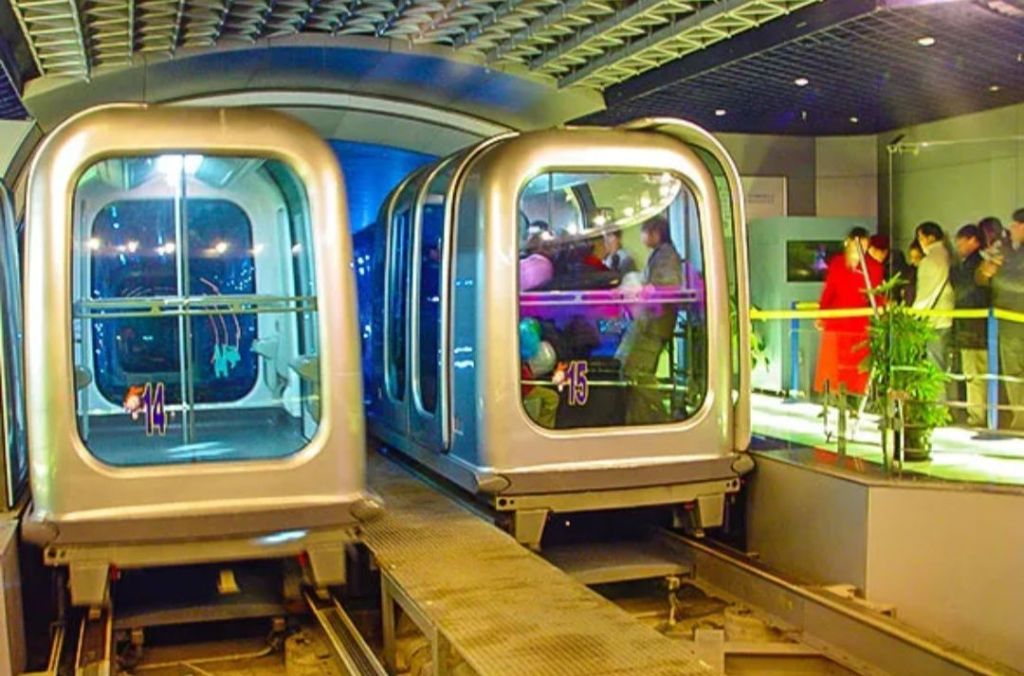
What makes the Bund Sightseeing Tunnel truly unique is its blend of convenience and spectacle. The journey begins at either the north side of Chenyi Square on the Bund or near the base of the Oriental Pearl Tower in Pudong. As we descended into the tunnel, we passed through themed zones like the “Time Tunnel” and “Magmatic Ejection,” each bursting with vibrant projections and ambient effects. It’s a short ride—just a few minutes—but one that left us grinning and slightly disoriented in the best way. With tickets ranging from 50 to 70 RMB, it’s a quirky, unforgettable way to witness Shanghai’s talent for blending old-world charm with a touch of the surreal.
Oriental Pearl TV Tower
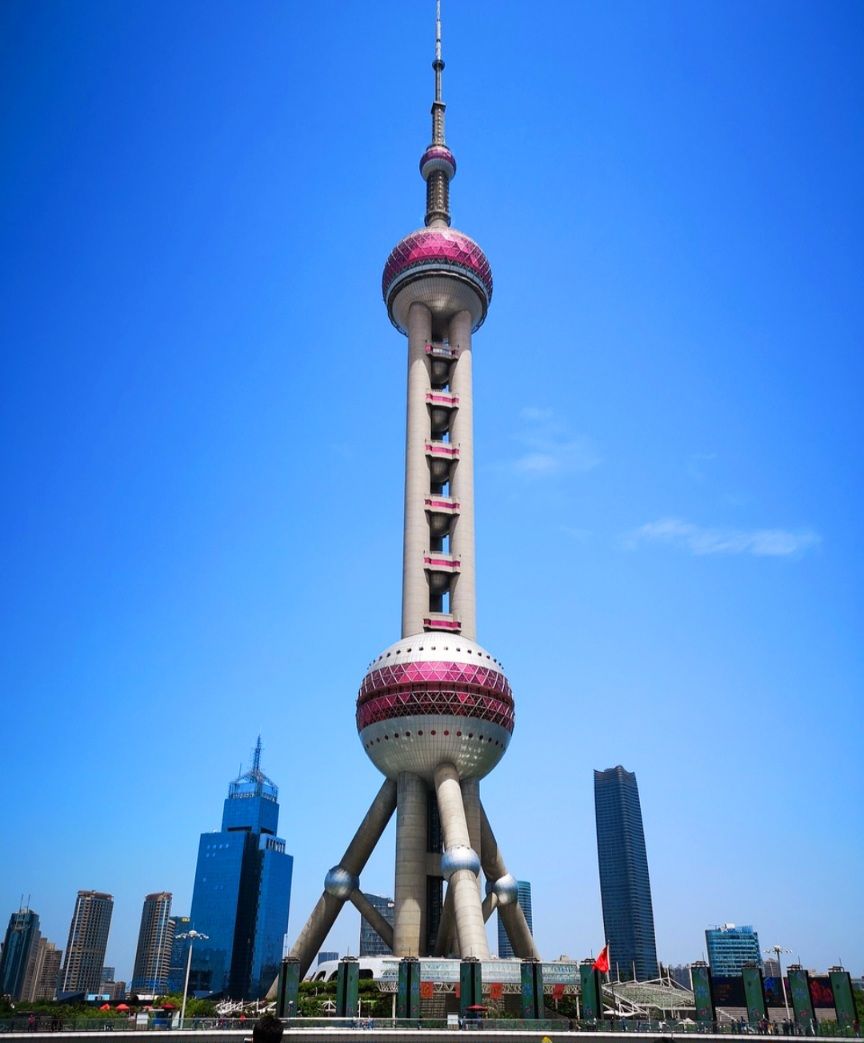
You really can’t miss the Oriental Pearl TV Tower—literally. Its unique, space-age design with three gigantic pink spheres dominates the skyline. We went up during one of our visits, and the view from the glass observation deck was both thrilling and slightly nerve-wracking.
From up there, the city felt endless. The Huangpu River curled like a ribbon through the buildings, and we could spot every place we’d visited earlier. There’s also a small museum inside the tower that showcases Shanghai’s historical transformations.
📍 Why the Oriental Pearl TV Tower Matters in Shanghai’s History
- Rising dramatically over the Huangpu River, the Oriental Pearl TV Tower isn’t just a futuristic landmark—it’s a powerful symbol of Shanghai’s transformation.
- Born from Reform: Conceived in the 1980s during China’s sweeping economic reforms, the tower was envisioned as a bold declaration of Shanghai’s modernization.
- Record-Breaker: Completed in 1994, it held the title of tallest structure in China until 2007, instantly becoming a defining feature of the city’s skyline.
- Poetic Design: Its iconic spheres were inspired by a Tang Dynasty poem describing “pearls falling onto a jade plate,” blending tradition with a sci-fi silhouette.
- Multifunctional Marvel: More than a TV tower, it houses observation decks with panoramic views, a revolving restaurant, and the Shanghai History Museum.
- A Bridge Across Time: Facing The Bund—once the heart of colonial Shanghai—the tower symbolizes the city’s leap from its past into a global future.[²]
- Tourist Magnet: Today, it stands proud as a 5A-rated national tourist attraction, welcoming millions of curious visitors each year.
- From poetry to progress, the Oriental Pearl TV Tower captures the essence of Shanghai: daring, dynamic, and deeply rooted in history.
Shanghai Ocean Aquarium
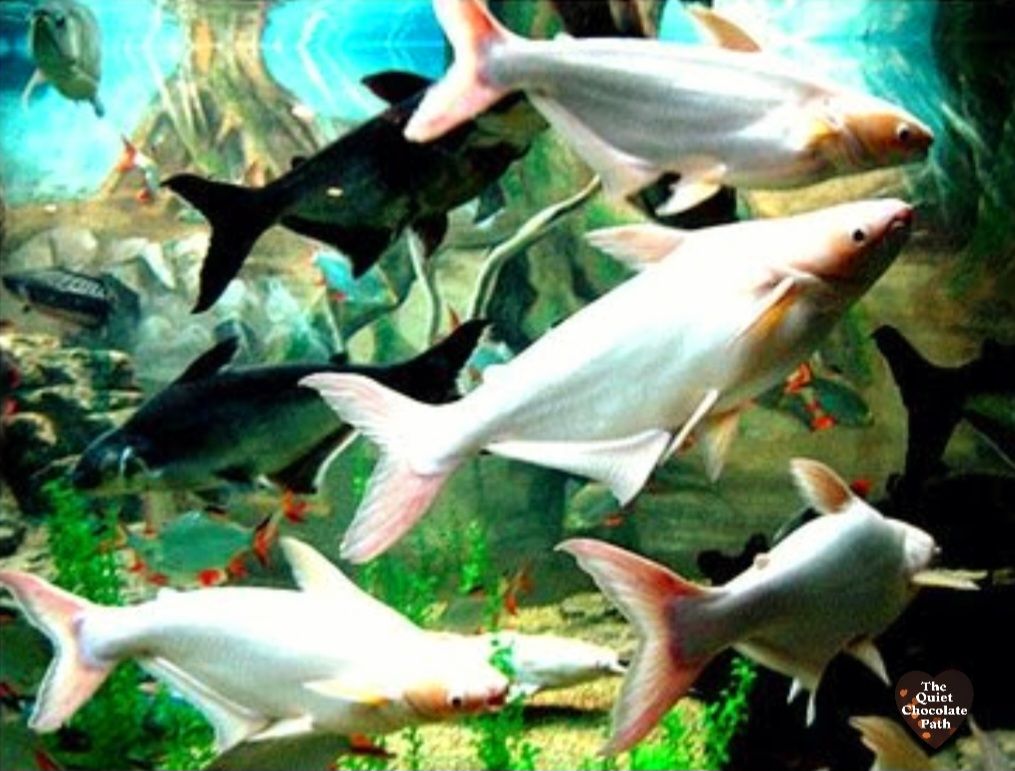
If you ever need a break from the skyscrapers and street food, the Shanghai Ocean Aquarium is such a fun detour. We visited on a whim and ended up spending hours there. The highlight? Hands down the 155-meter underwater tunnel—it’s one of the longest in the world, and walking through it feels like you’ve been dropped into a real-life ocean documentary. Sharks cruised overhead, stingrays glided past, and the lighting made everything feel dreamy and surreal. It’s the kind of place that makes you feel like a kid again, wide-eyed and totally in awe.
🐟 Why It’s Worth the Visit
What’s cool about this aquarium is how it’s organized by region—so you’re not just seeing fish, you’re kind of traveling the world underwater. There’s a Polar Zone, an Amazon section, and even a China Zone that features rare native species like the Chinese sturgeon. It’s super informative without being too heavy, and the whole place is really well-designed. Whether you’re traveling with kids or just want something a little different from the usual tourist spots, this place is a solid pick. Plus, it’s right next to the Oriental Pearl Tower, so you can easily make a day of it.
Shanghai Municipal History Museum
One of the more underrated spots was the Shanghai Municipal History Museum, located in the base of the Oriental Pearl Tower. It might not sound thrilling at first, but it brings Shanghai’s colonial and cultural stories to life.
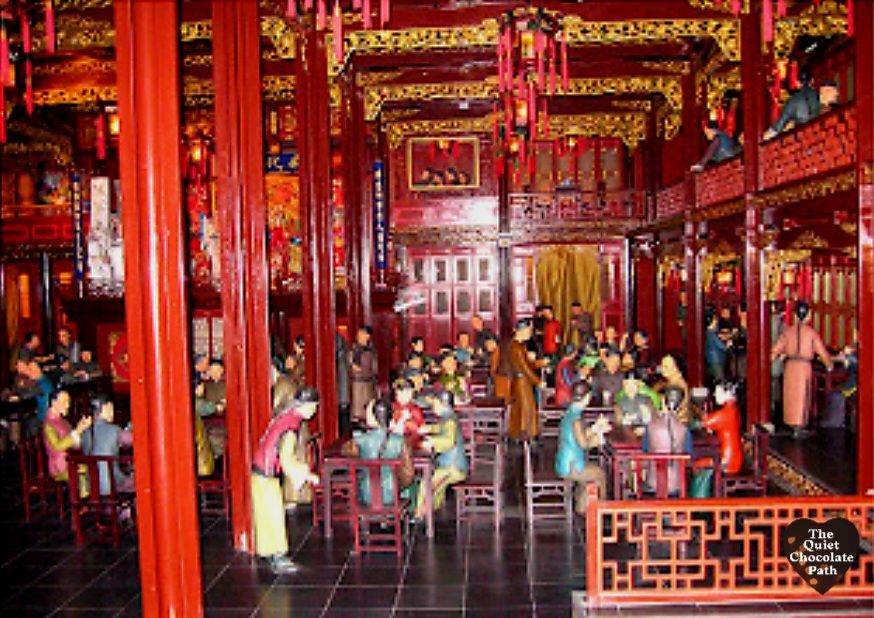
The museum features realistic models and life-size dioramas of old shops, neighborhoods, and historical scenes. You walk through re-creations of barber shops, pharmacies, and early 20th-century homes. For us, it grounded all the glitz above in real, tangible roots.
✨ Nanjing Road
Every time we return to Shanghai, our hearts seem to know the way—even before our feet do. Somehow, we always end up on Nanjing Road, as if the city gently pulls us there with invisible threads of light, memory, and motion.
There’s something magnetic about it. The clang of the vintage tram, the glitter of shop signs, the rhythm of footsteps on the wide pedestrian path—it all feels like home. We’ve wandered here in every season: bundled in scarves in winter, lazily licking ice cream in the summer. It’s where old Shanghai whispers through colonial facades, and where modern China dazzles in glass and LED.

Shopping in Shanghai? It’s China’s busiest shopping street, and it shows. We walked its length more than once, watching street performers, checking out massive department stores, and nibbling on street snacks.
We don’t always come here to shop. Sometimes, we just come to breathe in the energy. We stroll, sit, people-watch, and imagine all the stories unfolding around us. Maybe that’s why we love it so much—it’s never quite the same, and yet it always feels familiar.
📌 Why Nanjing Road Matters in Shanghai:
- One of the world’s busiest shopping streets, attracting over 1 million visitors daily
- China’s first commercial street, dating back to the 1840s and once lined with European-style stores
- A walk through time, with colonial-era architecture blending into modern skyscrapers
- Links two iconic spots: The Bund (colonial waterfront) and People’s Square (cultural and civic heart)
- Especially magical at night, with its mesmerizing light displays and buzzing street life
- A place where local snacks meet luxury labels—from fried dough sticks to Louis Vuitton
For us, Nanjing Road isn’t just a must-see—it’s a must-feel. A place where nostalgia and neon, history and hustle, all walk beside you.
But it was always packed. Shoulder to shoulder, with locals and tourists brushing past. It’s vibrant but overwhelming. A good place to shop if you’re patient—or just people-watch from a coffee shop window
Yuyuan Garden and Bazaar
Shanghai never stops. It’s all flashing lights, honking cars, and crowds that move like they’re late for something. So when we stumbled into this quiet little spot tucked behind the busy streets of Old Shanghai, it felt like the city finally took a deep breath—with us.

Yuyuan Garden was such a surprise. It’s been around since the 1500s, built by a son as a peaceful retreat for his father. And honestly? It still feels exactly like that—peaceful. We spent a slow morning just wandering through koi ponds, zigzag bridges, and little pavilions hidden in leafy corners. The garden has this dreamy, old-world charm, like it’s quietly telling stories—if you’re willing to listen.
And then, like flipping a page, we stepped out of all that calm and right into the buzz of Yuyuan Bazaar. The contrast was wild—noise, colors, food smells, everything all at once. We snacked on tanghulu (those shiny red candied hawthorns that crackle when you bite them), lined up for hot steamed dumplings, and squeezed through crowds while browsing silk fans and kitschy souvenirs. It was chaotic in the best way, and we just let ourselves get lost in it all.
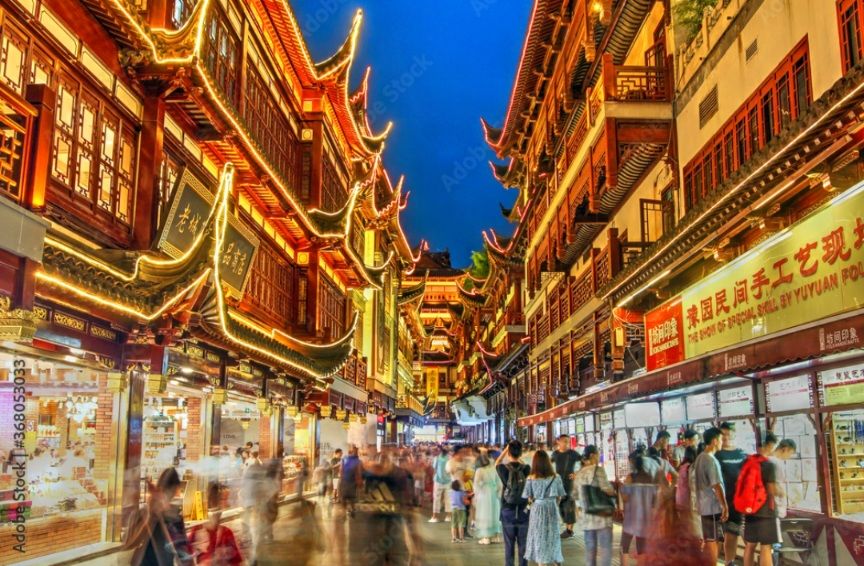
That’s what we loved most—how Yuyuan Garden and Bazaar let us enjoy both sides of Shanghai. The calm and the chaos. The hush and the hustle. All in one perfect stop.
📌 Why Yuyuan Garden Matters
- Built in 1559 by Pan Yunduan as a retirement gift for his dad—which is honestly the sweetest reason to build a garden ever.
- “Yu” (豫) means peaceful or pleasing—a perfect name for how this place feels.
- Took almost 20 years to finish, and the family went nearly broke making it this beautiful.
- Was once the largest private garden in Shanghai, filled with rock gardens, koi ponds, pavilions, and zigzag bridges that still make you pause.
- Over the years, it fell apart, got saved, and was rebuilt—like a lot of old, beautiful things.
- In 1853, it was used as a rebel hideout during a revolt and got damaged again (history’s messy like that).
- Today it’s a cultural treasure, showing off some of the best classical Chinese garden design and giving us a peek into old Shanghai.
A Subway Panic
Now here’s the part I didn’t expect. Crowds. Not just “a lot of people” but sheer, full-body panic-inducing crowds—especially in the subway. Once, we were trapped inside the station during rush hour. It was like being in a human whirlpool. At one point, we couldn’t move at all, stuck in a vortex of bodies.
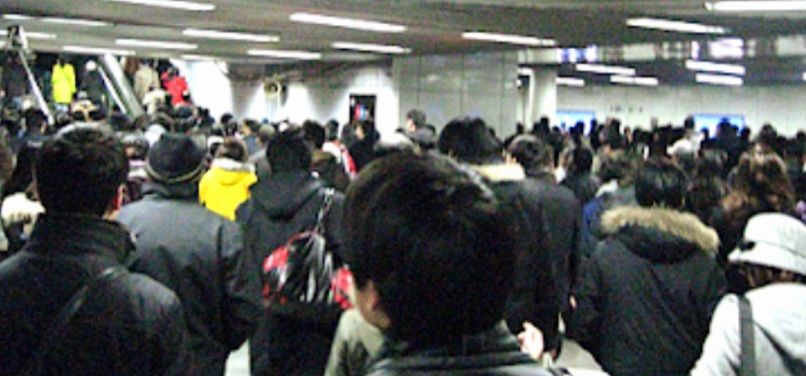
We saw a man get pushed off a train even though he wasn’t trying to get off. I was terrified I’d collapse or be trampled. Since then, I’ve developed a fear of very tight crowds—it changed how I travel. Now, whenever possible, I avoid the subway and choose taxi cabs instead, especially in megacities like Shanghai.
Tip: Avoid taking the metro during peak hours (7–9 AM and 5–7 PM). If you must, leave way earlier or later, and give yourself extra time.
Where We Slept and What We Watched
We’ve stayed in some of Shanghai’s finest hotels—each with its own charm and quirks. The Grand Hyatt Shanghai, way up in the Jin Mao Tower, easily tops our list. The views? Insane. On a clear day, you feel like you’re floating above the city. The Eton Hotel in Pudong felt more businesslike but super practical—huge rooms and a great location if you’ve got meetings or just want easy access to the financial district. The Radisson Collection Hyland Shanghai located on Nanjing Road, offered a perfect blend of modern comfort and classic style, right in the heart of the shopping district. As for The Guxiang Hotel Shanghai, located near People’s Square, stood out for its central location and refined amenities—plush rooms, attentive service, and easy access to the city’s cultural pulse.
Still, no matter where we stayed, service was consistently good, and we were always close to something interesting—whether that meant city views, street food, or just hopping on the metro and getting wonderfully lost.
One of our favorite nights was at the Shanghai Centre Theater. We weren’t expecting to be blown away—but we were. The acrobats did everything from high-flying flips to building human towers with what looked like zero effort. At one point, someone spun ten plates at once while standing on one foot (no exaggeration). It was thrilling and kind of poetic all at once.
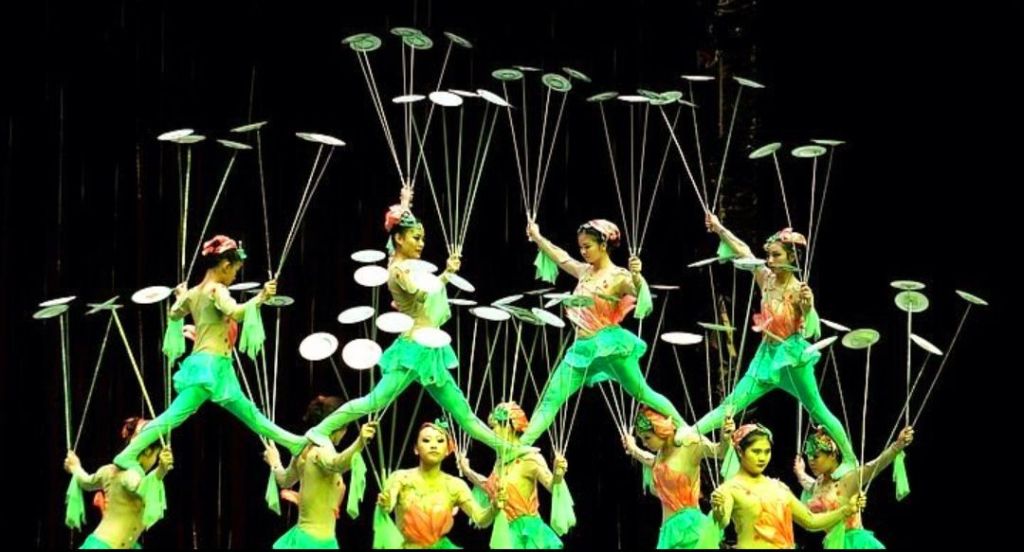
And beyond the stunts, the whole thing felt deeply rooted in tradition. The costumes shimmered under stage lights, the music was dramatic, and the performers were so focused it gave us goosebumps. It wasn’t just a show—it was one of those travel moments that sticks with you.
Final Thoughts:
Shanghai is where tradition meets technology, where tea houses exist alongside towering skyscrapers, and where stories—old and new—are constantly unfolding.
It can be overwhelming, yes. But it’s also magnetic. Despite the occasional chaos, there’s always something to see, taste, learn, or be amazed by. We’ve seen fireworks dance across the Huangpu, stood in awe at Yuyuan’s stillness, and screamed (inwardly) in subway stations packed beyond logic.
Shanghai is not a quiet retreat—it’s a sensory journey. And for all its madness, it remains one of our most memorable and repeated destinations in China.
If you ever find yourself in this city, breathe deep, avoid rush hour, bring comfy shoes, and let the city show you its many faces.
📌 Disclaimer
This blog post is based on personal travel experiences and reflects honest opinions at the time of visit. All information was accurate to the best of knowledge during the stay. However, details may change over time, so it is recommended to check official websites or contact the venues directly for the most updated information. This post is not affiliated with any of the businesses or establishments mentioned. Always travel with caution and stay aware of local guidelines and conditions.

 The Quiet Chocolate Path