
It’s a moment that takes your breath away: the red lights blink, the world pauses—and then chaos erupts. Hundreds, sometimes thousands, flood the intersection from every angle, weaving past one another in a perfectly synchronized dance. This is Shibuya Crossing, also known as Shibuya Scramble (渋谷スクランブル交差点), the world’s busiest pedestrian intersection, and it’s more than just a tourist photo-op. It’s a symbol of Tokyo’s rhythm—an electrifying fusion of movement, order, and modern Japanese spirit.
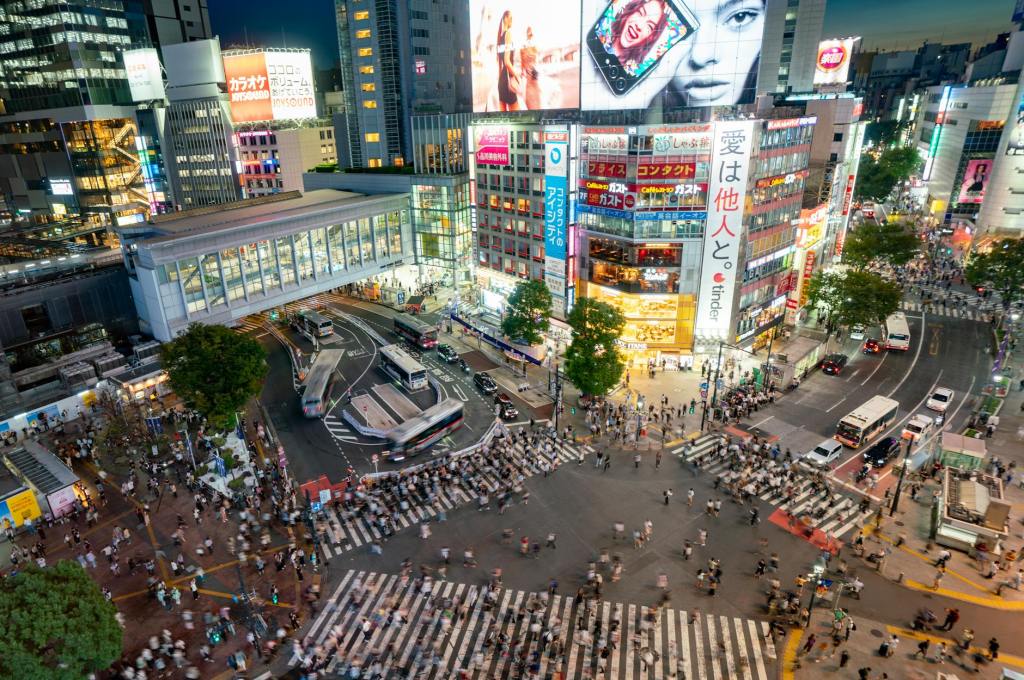
At The Quiet Chocolate Path, places tell stories. In this one, Shibuya Scramble isn’t just a place to cross—it’s where Tokyo pulses loudest.
The Symbolism of Shibuya Crossing
Shibuya Crossing is not merely a crosswalk. It is the city’s living metaphor—a reflection of Japan’s balance between order and chaos, individuality and community.
With up to 3,000 people crossing at peak times during a single green light, it’s awe-inspiring that there are rarely collisions or confusion. No shouting. No shoulder-shoving. Just purposeful steps, unspoken awareness, and a kind of invisible rhythm.
The Psychology of the Crossing (Inside the Flow)
There’s something almost meditative about stepping into the scramble. You’re surrounded by hundreds of strangers, yet for a few moments, everyone moves as one. It taps into a shared rhythm—a collective focus that turns chaos into calm. For many, it’s less about getting from point A to B and more about becoming part of something larger, if only briefly.
I had been waiting for this moment at the famous Shibuya Crossing, heart racing with excitement. I spotted a cement block lined with plants and leaned against it, trying to steady myself. Then, I stepped up onto it to get a better view—hoping to capture the crowds weaving through each other from every direction as the signal turned green. The energy was electric, and I wanted to freeze it in a frame, just as the world exploded into motion.
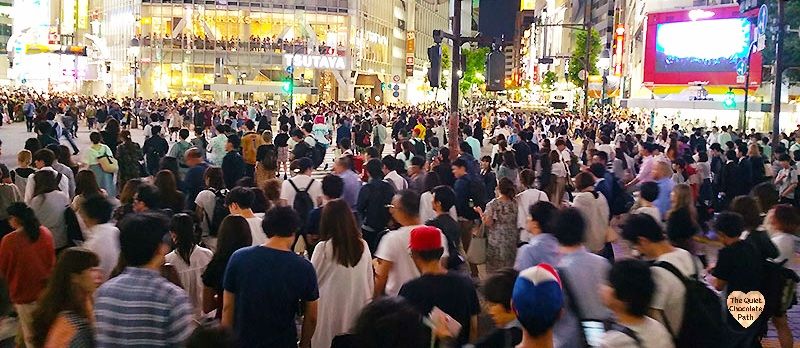
This seamless coordination is deeply embedded in Japanese culture:
- Efficiency: The scramble is a testament to how urban design and public behavior blend with clockwork precision.
- Harmony in Chaos: It shows how even in the fast pace of urban life, people can move together in silent understanding.
- Resilience and Rhythm: Like the city itself, Shibuya adapts, pulses, and never stops.
And yet—amid the crowd, it’s strangely peaceful. Standing in the middle of it all, you feel like both observer and participant, swept up in Tokyo’s endless heartbeat.
A Brief History of Shibuya and Its Famous Scramble
Shibuya is a vibrant special ward in Tokyo, Japan, known for its cutting-edge fashion, youth culture, and bustling city energy. It’s home to Shibuya Station, one of the busiest railway hubs in the world, and the now-iconic Shibuya Scramble Crossing—where hundreds of people cross from all directions in a mesmerizing flow.
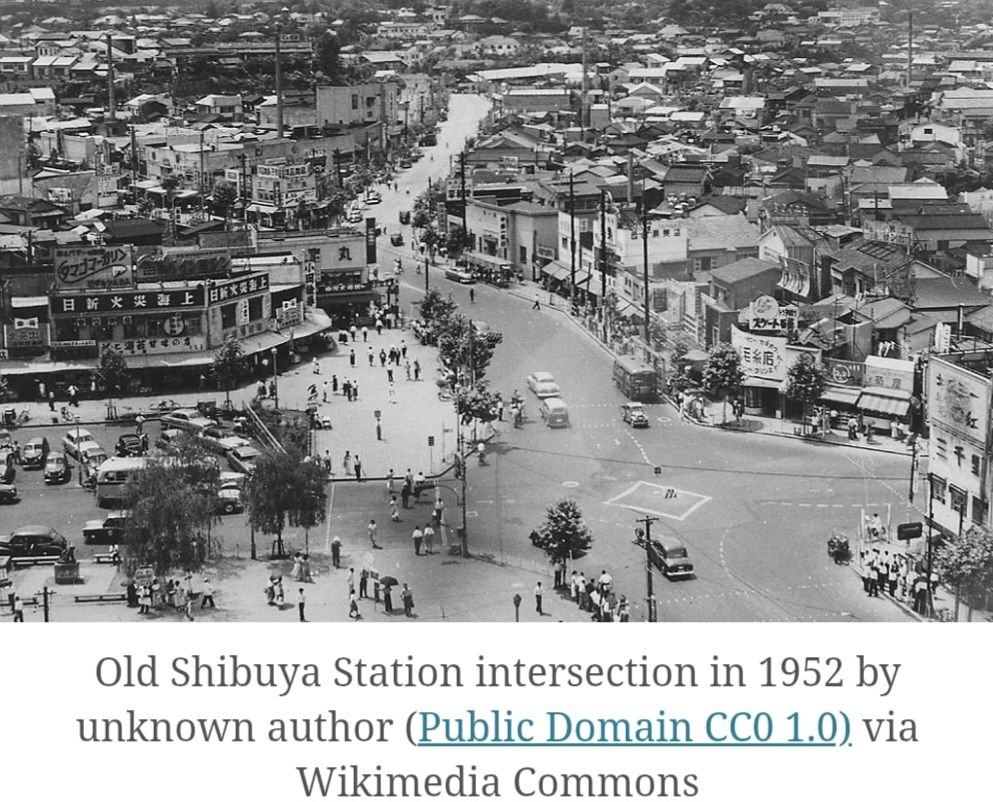
Historically, Shibuya evolved from a quiet area in the Edo period into a major commercial and cultural center. The district began its transformation during the Taishō era (1912–1926) alongside the development of Shibuya Station. By the Shōwa era, rapid urban growth demanded better infrastructure for increasing pedestrian flow. In 1973, the now-famous scramble crossing was introduced, allowing people to cross in all directions simultaneously. This not only improved traffic efficiency—it became a landmark of urban innovation and cemented Shibuya’s place in the collective imagination of modern Japan.
Today, Shibuya continues to buzz with stylish locals, international travelers, artists, and dreamers. Trendy neighborhoods like Harajuku and Omotesandō sit nearby, making the ward a cultural vortex where tradition and trend constantly intersect.
Why Is Shibuya Crossing a Must-See Tourist Attraction?
Shibuya Crossing draws visitors from around the world because it captures the essence of Tokyo’s vibrant urban life. With hundreds of people crossing from all directions at once, it’s a mesmerizing display of organized chaos that feels almost cinematic.
Its appearance in films like Lost in Translation and Fast & Furious: Tokyo Drift, as well as in music videos and travel documentaries, has helped catapult its fame globally. But it’s not just about the media exposure.
Tourists come to:
- Photograph the spectacle from ground level or above.
- Experience the flow—walking among the crowd is part of the magic.
- Observe from above—especially popular spots like the Starbucks in the Q-Front Building or the Shibuya Sky observation deck offer stunning panoramic views.
🐾 The Heart of Shibuya That’ll Break Yours in the Sweetest Way
Beyond the crossing itself, Shibuya is rich in symbols and sights. The nearby Hachikō Statue tells the heartfelt story of a loyal dog who waited daily for his deceased owner. It’s more than a meeting point—it’s a quiet monument to love and devotion, gently nestled among the urban buzz.
At first glance, it’s just a small bronze sculpture of a dog. Kinda easy to miss amid all the lights and commotion. But wow… once you know the story behind it, it hits different.
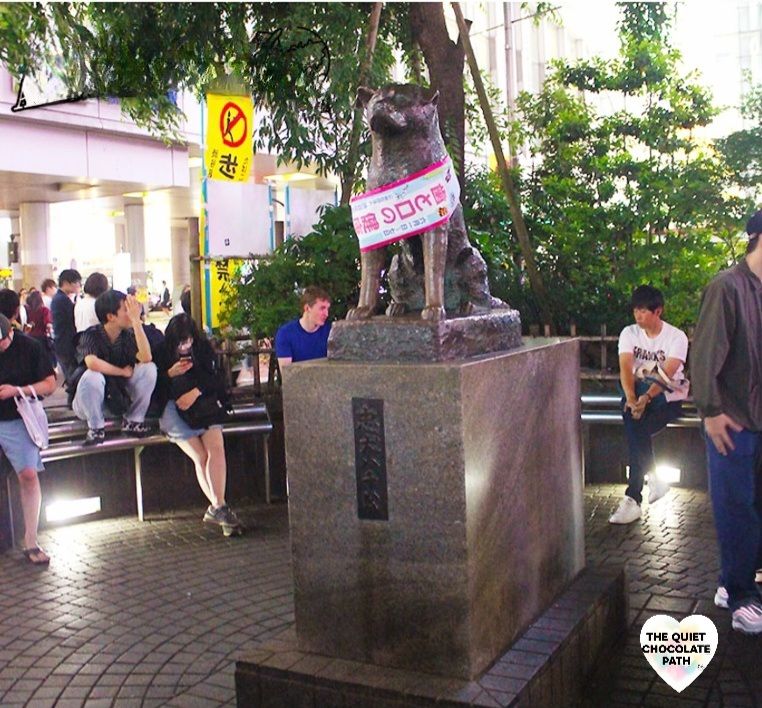
Hachikō was a Japanese Akita, and his loyalty was the kind legends are made of. His owner, a university professor, passed away suddenly from a cerebral hemorrhage during a lecture and never returned home. But Hachikō kept showing up at Shibuya Station every single day—for nine years—waiting for the man who would never come back. Like… can you imagine? That kind of devotion is just beyond words.💔 Honestly, Hachikō might’ve had a bigger heart than most humans. Sad, but kind of true.
And if you’ve ever seen Hachi: A Dog’s Tale (starring Richard Gere), then you know exactly what I mean when I say: grab the tissues before you press play. It’s a remake of the Japanese film Hachikō Monogatari, and let me tell you… I was a hot mess.😭 Crying, ugly sniffling, the works. It’s one of those films that lingers long after the credits roll and makes you rethink the meaning of loyalty.
So next time you’re in Shibuya, slow down as you pass the statue. Give Hachikō a moment. He’s more than just a photo op—he’s a quiet symbol of unconditional love and the kind of faith that never fades.
Shibuya: Where Traditions and Trends Collide
Beyond the famous scramble, Shibuya is a cultural crossroad where the old brushes shoulders with the ultra-modern.
- Hachikō Statue: A bronze tribute to loyalty and enduring love.
- Shibuya 109: A fashion icon and mecca for Gen Z and millennial trendsetters.
- Hidden Corners: Matcha cafés in tucked-away alleys, jazz bars down narrow stairwells, record shops with stories in every crate.
This dynamic ward doesn’t ask you to conform—it invites you to explore, evolve, and belong in your own rhythm.
Reflections from the Middle of the Scramble
Standing at the center of Shibuya Crossing, I felt strangely small—but also part of something vast. A reminder that life often moves like this: wild, unpredictable, full of intersections you didn’t see coming.
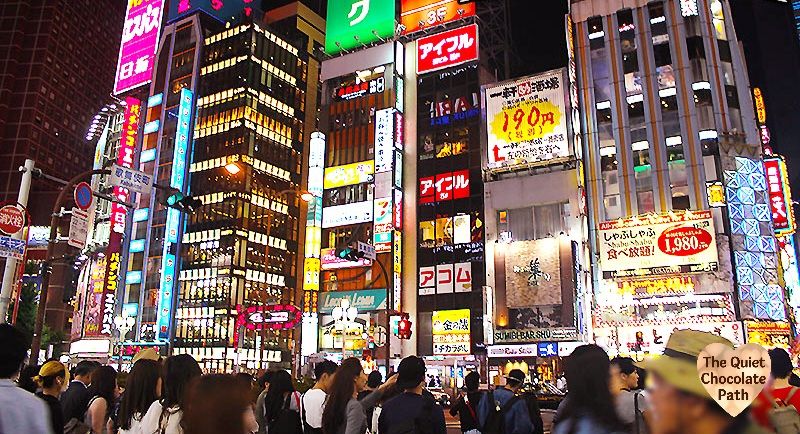
But somehow, you keep moving. You navigate. You find your own lane in the flow.
Shibuya doesn’t ask you to be perfect. It just invites you to be present.
So maybe the next time you’re overwhelmed or unsure which direction to take, remember the crossing: wait for your light, then step forward. Even if everyone else is going the other way, you have your rhythm too.
🆕 For First-Time Visitors
- Visit During Peak Crossing Hours: Aim for 5–7 PM to witness the full “scramble” effect—thousands of people crossing in every direction. It’s chaotic, cinematic, and unforgettable.
- Get a Bird’s-Eye View: Head to Shibuya Sky, Magnet by Shibuya109, or the Starbucks Tsutaya for stunning aerial shots of the crossing.
- Snap a Thoughtful Photo at Hachikō: Don’t just take a selfie—capture the emotion. Read Hachikō’s story beforehand to truly feel the moment.
- Explore Nearby Streets: Wander through Center Gai and Dogenzaka for quirky shops, street food, and vibrant local vibes.
- Time Your Visit: For a quieter, more reflective experience, visit the Hachikō statue early in the morning or late at night.
🔁 For Repeat Visitors
- Try a Rainy Day Visit: When it rains, the crossing transforms into a mesmerizing “umbrella ballet”—perfect for moody photos or slow-motion video captures.
- Watch the Crossing from a Hotel Room: Book a room at Shibuya Excel Hotel Tokyu for a private, elevated view of the scramble below.
- Join the Annual Hachikō Memorial (April 8): Experience this heartfelt tribute with flowers, Akita dogs, and locals gathering to honor loyalty.
- Look for Hidden Hachikō Art: Discover the mosaic wall, paw prints in the underground passage, and even Hachikō-themed manhole covers near the statue.
- Visit at Different Times of Day: Each time offers a different vibe—morning rush, neon-lit evening, or late-night calm—all with unique photo opportunities.
Disclaimer
This blog post is a throwback travel reflection. Been to Shibuya quite a few times over the years, and each visit revealed a new layer of this vibrant district. While things may evolve with time, the heart of Shibuya—its energy, its symbolism, and its stories—remains unforgettable.

 The Quiet Chocolate Path